Why Matanuska is a year-round glacier
The ice does not have a season
Access is year-round. Light, surface and the approach are what the calendar changes.
Many glacier experiences are seasonal because reaching them is seasonal. Matanuska is not one of them. The glacier comes down to meet the road: the access point is Mile 96.5 of the Glenn Highway, where a turn onto Trailhead Rd by the Hick’s Creek bridge leads towards the terminus, with a shuttle covering the last stretch. That approach works in every month, which is why the operators here sell guided walks right through the calendar.
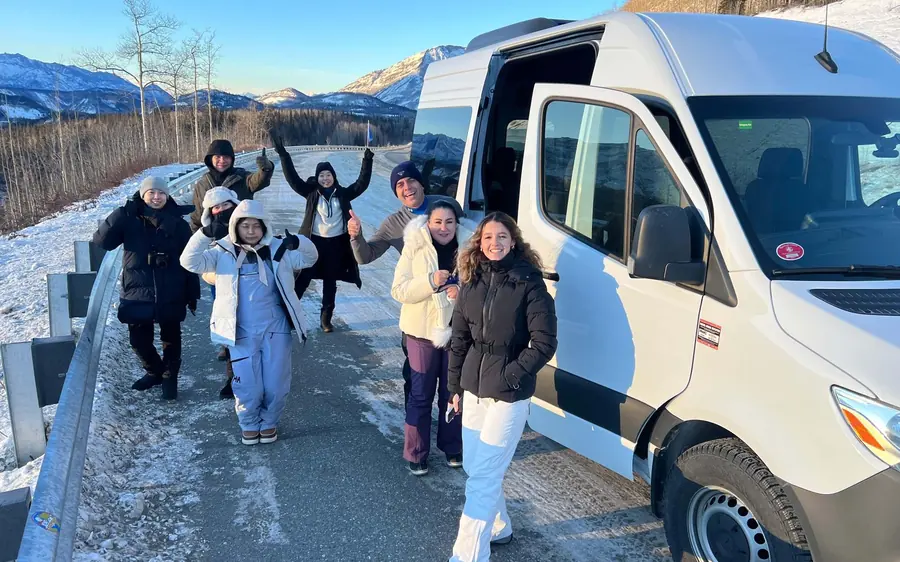
So what changes is not access — it is the character of the day. Alaska sits far enough north that daylight is the first variable. In summer the light runs long enough that a ten-hour booking such as $329 feels unhurried at both ends. In the dark months the same day is scheduled tighter, with the glacier section placed in the best of the light, and the drive along the Glenn Highway takes on that low, level Alaskan glow that photographers plan trips around.
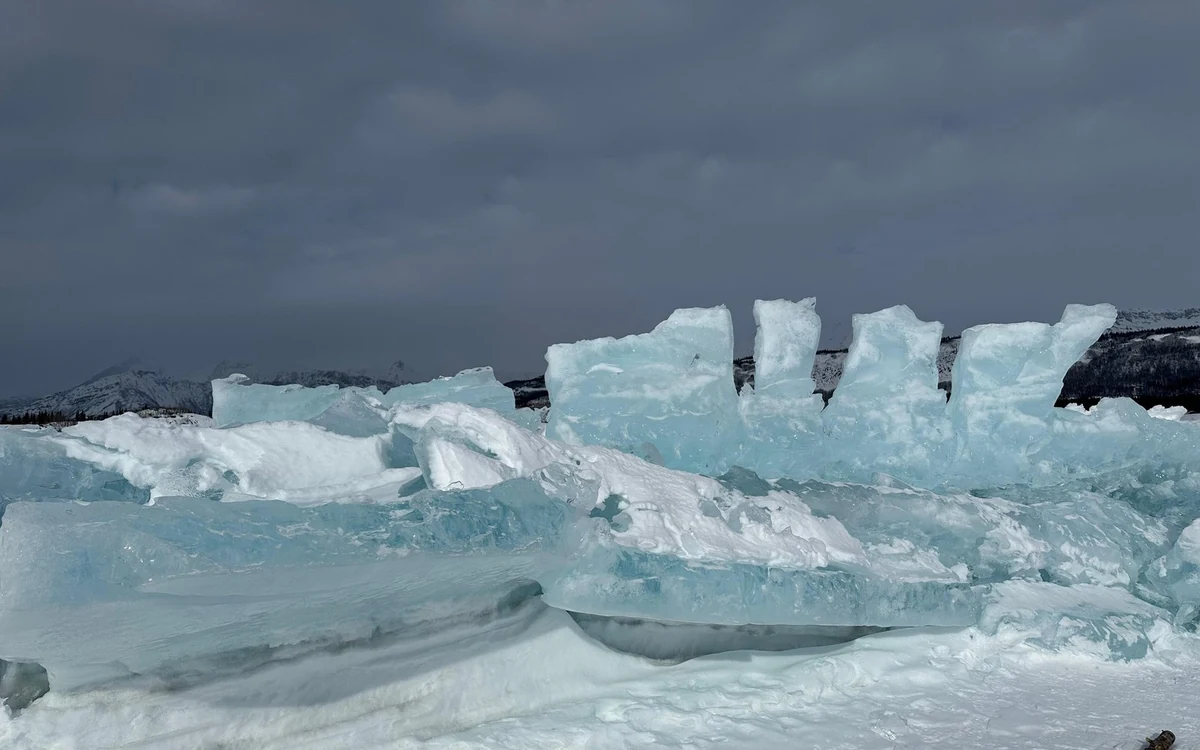
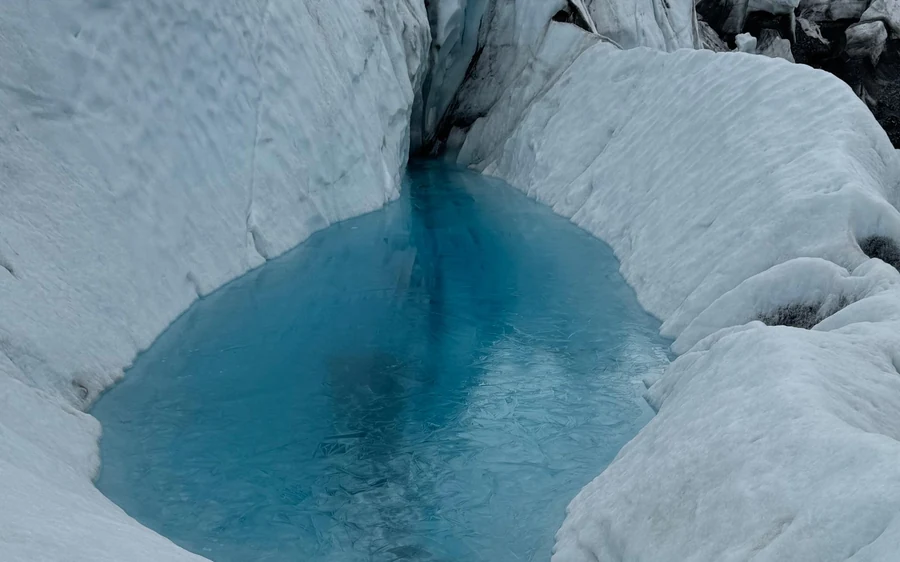
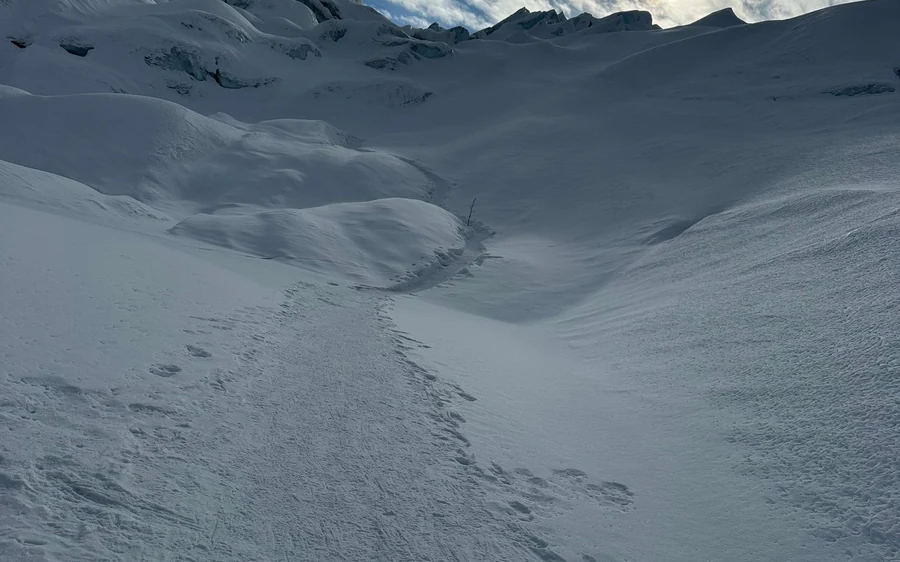
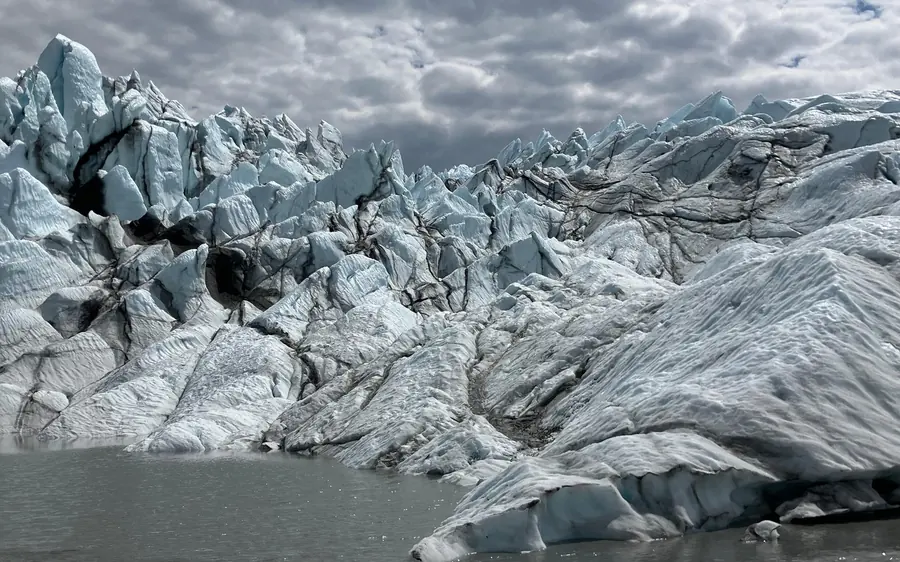
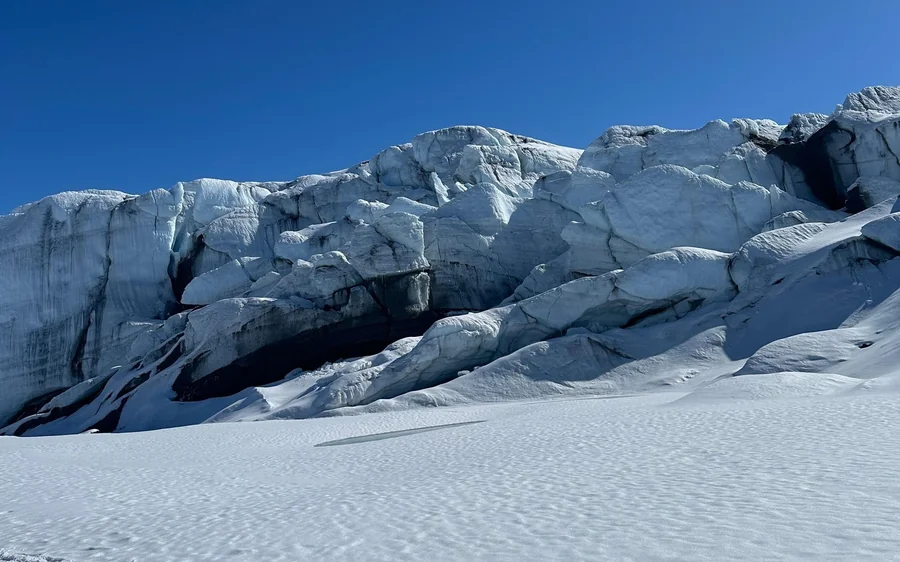
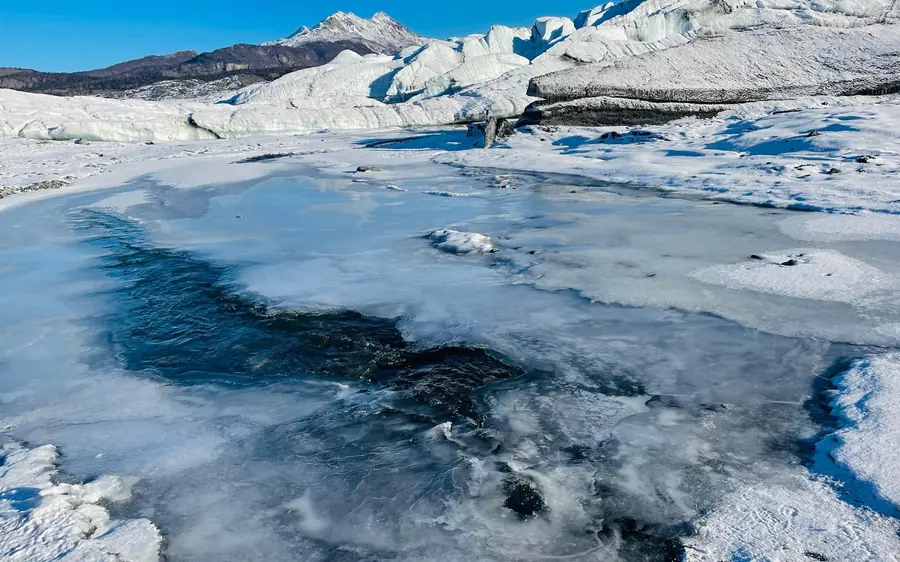
The surface is the second variable. Summer ice is wet-looking, alive with meltwater patterns and dark bands of rock flour, and the valley around it is green. Winter ice is hard and quiet, with snow on the moraine and the blue reading colder and cleaner. Ice cleats matter in both, which is why every listing hands them out.
The third is the approach to the ice. The full-day tour at $329 describes the winter version in its own words: in winter, you enjoy a gentler hike by riding in a snow machine sled to the glacier. That is a genuinely different arrival, and for many people it is the reason to come in the cold half of the year rather than in spite of it.
The fourth is simply who else is there. These are small groups in a niche with 437 reviews across ten listings — this is not a crowded attraction in any month. But summer is when Alaska fills up, so summer dates are the ones that go first.