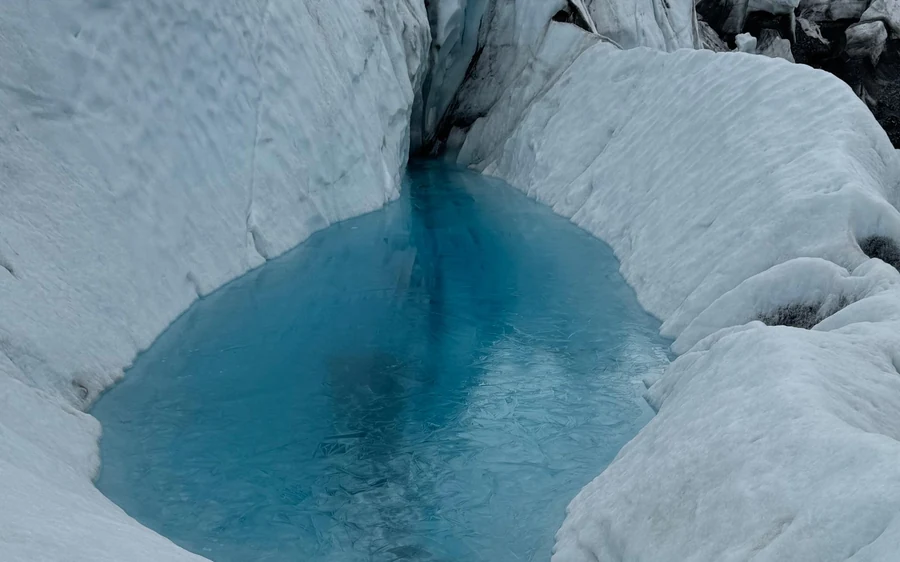
Our top pick10 h
10 hMatanuska Glacier Full-Day Tour
★ 4.8 · 111 reviews
- Ten hours, Walk the 27-mile Matanuska Glacier
- Entry fees and cleats included
- Most booked
- Free cancellation
$329$32.90 / hour
Check availability→ Dress for the ice, not the car park
The good news first: the technical equipment is not your problem. Every guided tour onto the Matanuska ice supplies the glacier safety gear — ice cleats or micro spikes, a helmet and poles — and the winter departures add winter gear on top, with gloves and snow pants named in the listings. What you bring is clothing and, above all, boots. This page goes through both, item by item, for a day that runs about two hours out of Anchorage, several hours on the ice, and about two hours back.
Quick answer
The short answer. Bring sturdy, closed, above-the-ankle boots with a firm sole — they are the only thing a cleat can be fitted to. On top of that, three layers: a base layer, a warm mid layer and a windproof shell, plus a hat, gloves and sunglasses. The operator supplies the ice cleats, helmet and poles, and winter departures add winter gear. Tours start at $315, and our pick is $329.
What the operator gives you, and what you bring
Cleats, helmet and poles are theirs. Boots and layers are yours.
This is the part that saves people money and luggage space, so it is worth stating plainly. On a guided Matanuska tour you are not expected to arrive with mountaineering equipment. The listings say what they supply, and they say it the same way across the niche.
The full-day tour at $329 includes glacier safety equipment — ice cleats, helmets and poles — along with all entry fees, light snacks and bottled water. $369 lists ice cleats and winter gear next to the hike and the guide. $329 names safety gear, gloves and snow pants alongside the hotel pickup. $315 names ice cleats and snow pants with the entry ticket. $354 simply says all glacier equipment, and adds lunch. $399 calls it professional safety gear and puts a safety orientation in front of it.
So the cleats, the helmet and the poles are handled. What nobody can hand you at the terminus is a pair of boots that fit you, or clothing that suits how warm or cold you run. Those are the two decisions you make at home, and the boots are the important one: a cleat or micro spike is a frame of metal points that straps around a boot, and it needs something firm to hold on to. A stiff-soled, closed boot that covers the ankle takes one properly. A soft trainer, a canvas shoe or a slip-on does not.
The clothing decision is easier than it looks, because you are dressing for a day with three different climates in it: a warm vehicle for about two hours each way, a walk in the open at the terminus, and a stretch of glacier where wind comes off the ice regardless of what the valley is doing. Layers cover all three. One heavy coat covers exactly one of them.
The kit list
Eight lines, split between what the listings supply and what belongs in your bag. Nothing here needs to be bought new or specialist.
| Item | Who brings it | What the listings say | The practical note |
|---|---|---|---|
| Ice cleats or micro spikes | The operator | Listed as glacier safety equipment on the ice tours; $369 and $315 name ice cleats directly | Bring boots they can strap onto |
| Helmet | The operator | Part of the glacier safety equipment on $329, and of the professional safety gear on $399 | Nothing to bring |
| Poles | The operator | Listed with the cleats and helmet as glacier safety equipment | Nothing to bring |
| Winter gear | The operator | $369 lists winter gear; $329 names gloves and snow pants; $315 names snow pants; $354 lists all glacier equipment | Bring your own layers underneath |
| Boots | You | Sturdy, closed, above the ankle, with a firm sole a cleat can grip | The one item that decides your comfort |
| Layers | You | A base layer, a warm mid layer and a windproof, water-resistant shell | Three light layers beat one heavy coat |
| Hat, gloves, sunglasses | You | Wind on the ice and glare off a white surface are constant in every season | Small things, big difference |
| Water, snacks, camera | Shared | Water and light snacks appear on several listings; $399 includes digital photos of the day | Bring a camera you can hold with gloves on |
Boots: the one decision that matters
Above the ankle, firm sole, closed, worn in. That is the whole specification.
If you read one section of this page, make it this one. On the Matanuska ice the surface under you is hard, uneven and textured, and every guided walk is made possible by the cleats strapped to your feet. Those cleats are supplied. The boot is not, and it decides whether the day is comfortable or a long lesson in regret.
Above the ankle. The ice is not flat. Ridges, dips and rubble on the moraine all ask something of your ankles, and a boot that supports them takes that away. This is the single most repeated piece of advice from people who have walked a glacier before.
A firm sole. Cleats grip best on a sole that does not flex like a running shoe. A walking boot or a hiking boot is exactly right. If you can roll the sole up in your hand, it is the wrong footwear for the ice.
Closed and water-resistant. There is meltwater on a summer surface and snow on a winter one. Neither is a problem in a closed boot and both are miserable in anything else.
Worn in. A brand-new boot bought for the trip and first laced up at the terminus is the classic mistake. Walk in them at home first, even for an afternoon.
Thick socks, and a spare pair in the vehicle. Wool or a synthetic walking sock, not cotton. The spare pair stays in the van and is the best five ounces of luggage you will carry in Alaska.
Borrowed or hired boots from home work perfectly well — nothing about the Matanuska ice asks for a specialist mountaineering boot. It asks for a proper walking boot, which is the same boot you would take to any hill.
Layers: dressing for the drive and the ice
Base, mid, shell, and a hat you can pull down over your ears.
Base layer. Something close to the skin that moves moisture away from it: merino or a synthetic thermal. Not cotton, which holds damp and chills you as soon as you stop walking. In summer a light long-sleeve is enough; in winter a proper thermal top and bottom.
Mid layer. This is your warmth, and it is the layer to adjust. A fleece in the warm months, a thicker fleece or a light insulated jacket in the cold ones. The reason it is a separate layer is that you will be too warm in the vehicle and just right on the ice, and peeling one layer is how you manage that.
Shell. Windproof and water-resistant, with a hood. Wind runs off the glacier surface in every season, and this is the layer that makes the difference between a pleasant walk and a cold one. It does not need to be expensive; it needs to stop wind.
Legs. Walking trousers or warm trousers, not jeans — denim is heavy when damp and slow to dry. On the winter departures this is the layer that sits under the snow pants the operator supplies: $329 and $315 both name snow pants in their inclusions, and $354 covers it as all glacier equipment.
Hat and gloves, in every season. A glacier makes its own weather, and bare hands holding metal poles in wind get cold quickly. Gloves also matter for the camera: thin liner gloves under a warmer pair let you shoot without stripping down to skin.
Sunglasses. Genuinely important. A broad white and blue surface throws glare back at you even under cloud, and squinting for three hours spoils a walk. Sunscreen for the same reason — light reflects up off ice as well as down from the sky.
What to bring in the bag
Small pack, own water, spare socks in the van.
The day runs six to ten hours door to door, with about two hours of driving at each end, so you want a small pack you can carry on the ice rather than a big one you leave in the vehicle.
Water. Several listings include it — $329 has bottled water with light snacks, $177 lists snacks and water, and $315 pours glacier water — but carry your own bottle anyway.
Snacks. Light snacks appear on several tickets, and $354 includes a full lunch at a local eatery at the end of the day. On the others, a couple of bars in a pocket is sensible on an eight-hour day.
A camera, and a way to hold it. The Matanuska Valley from the Glenn Highway and the ice itself are both worth shooting. If photography is the point of the trip, $399 builds the day around it: a safety orientation, professional gear, photo lessons on the ice and digital photos of the day to download.
A spare layer in the vehicle. Not on your back — in the van. Dry socks and a warm top waiting for the drive home turn a good day into a comfortable one.
Sunglasses and sunscreen, again. They are the two things people leave in the hotel and miss every single time.
Every trip, current fare
All ten listings with fares and hourly cost. Read the inclusions column of each listing alongside this: the seven ice tours issue the cleats, helmet and poles, and the three day trips at the end do not reach the Matanuska ice.
| Walk | Length | Price | What is included | Cost per hour | Rating |
|---|---|---|---|---|---|
| Hike Matanuska Glacier w/Alaska Honey, Wine TastingGlacier hike plus a tasting stop | 8.5 h | $315 | Glacier hike plus a tasting stop | $37.06 | 4.7 · 21 |
| Matanuska Glacier Hiking AdventureGuided hiking on the glacier | 8 h | $315 | Guided hiking on the glacier | $39.38 | 5.0 · 2 |
| Matanuska Glacier Full-Day TourWalk the 27-mile Matanuska Glacier | 10 h | $329 | Walk the 27-mile Matanuska Glacier | $32.90 | 4.8 · 111 |
| Matanuska Glacier Hike with TransfersHike on the ice with a guide | 8 h | $329 | Hike on the ice with a guide | $41.12 | 4.8 · 31 |
| Matanuska Glacier Winter Tour with LunchGentler winter hike on the ice | 8 h | $354 | Gentler winter hike on the ice | $44.25 | 5.0 · 16 |
| Full-Day Matanuska Glacier Hike and TourIce cleats for the glacier surface | 8 h | $369 | Ice cleats for the glacier surface | $46.12 | 4.8 · 55 |
| Matanuska Glacier Hike with Photo LessonsPhoto lessons on the ice | 8 h | $399 | Photo lessons on the ice | $49.88 | New |
| Glacier View & Wildlife Anchorage Adventure TourSmall group through the Chugach | 7 h | $177 | Small group through the Chugach | $25.29 | 4.6 · 27 |
| Portage Glacier and Wildlife Full-Day TourPortage Glacier and Turnagain Arm | 8 h | $229 | Portage Glacier and Turnagain Arm | $28.62 | 4.5 · 73 |
| Wilderness, Wildlife, & Glacier ExperienceChugach National Forest by guide | 6 h | $286 | Chugach National Forest by guide | $47.67 | 4.8 · 101 |
Getting there
The gear is issued at the glacier end of the day, not in Anchorage. This is the sequence on every one of the seven ice tours.
| Stage of the day | Time | What happens | Who covers it |
|---|---|---|---|
| Anchorage, early start | Morning | Hotel or set meeting point, depending on the listing | Pickup is named on $329, $354 and $315 |
| North-east on the Glenn Highway | About 2 hours each way | The drive out to Mile 96.5 of the Glenn Highway, narrated by the guide | All seven ice tours |
| Trailhead Rd, by the Hick’s Creek bridge | Minutes | The turn off the highway onto the private access road | Entry fees sit inside the fare |
| Shuttle to the glacier terminus | Short hop | The last stretch to the point where the ice begins | Included on the guided tours |
| On the ice with a guide | The core of the day | Cleats on, helmet and poles issued, guided walking | All seven ice tours |
| Back down the Glenn Highway | About 2 hours | Which is why an 8-hour listing really is an 8-hour day | All seven ice tours |
Common mistakes with clothing and gear
Five of the six are solved at home, before you pack.
Before you book
Thirty seconds on the listing settles what you need to pack.
Every ice listing names the glacier safety equipment. $329 also names gloves and snow pants; $354 lists all glacier equipment and lunch.
Above the ankle, firm sole, closed, worn in. Everything else on this page is easier than this one item.
Summer: light base, fleece, windproof shell. Winter: thermal base, insulated mid, shell, with the supplied winter gear over the top.
Free cancellation is shown on the listings that offer it, which is useful when the forecast moves in the week before your walk.
Boots packed? The Matanuska ice starts at $315, with cleats, helmet, poles and all entry fees included — and our top pick at $329, rated 4.8 across 111 reviews.
See every tour and what it includes→Book direct
Ten live listings. The seven that reach the ice issue the cleats, helmet and poles; the three at the end are day trips near Anchorage.
★ 4.8 · 111 reviews
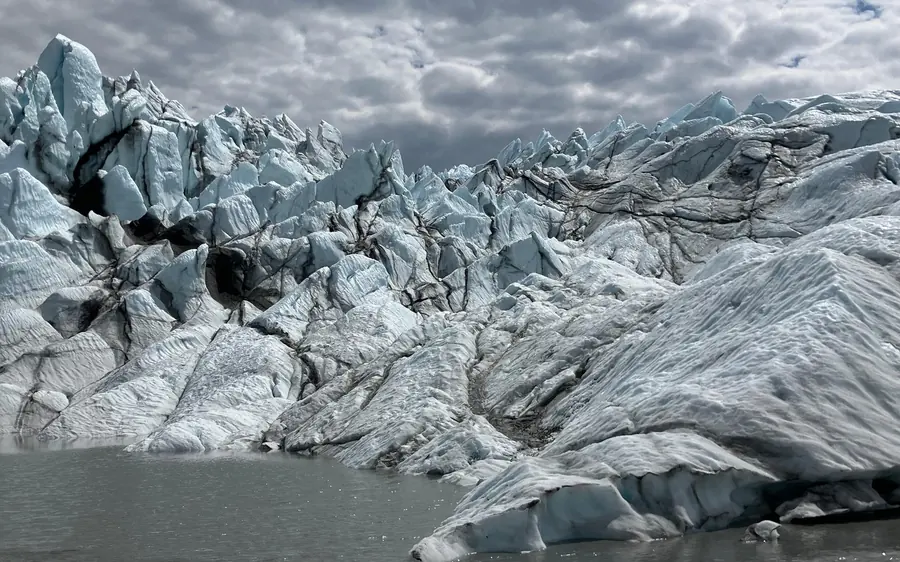
★ 4.8 · 55 reviews
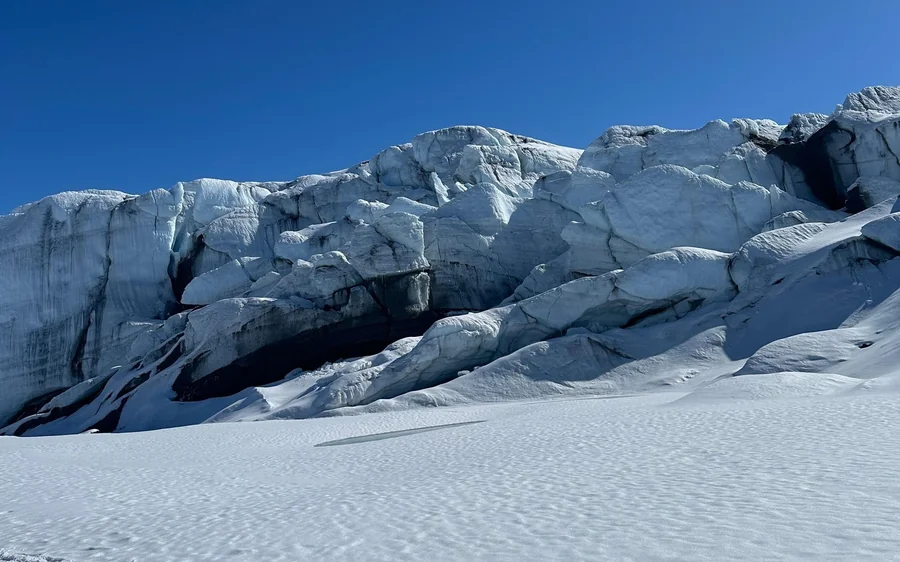
★ 4.8 · 31 reviews
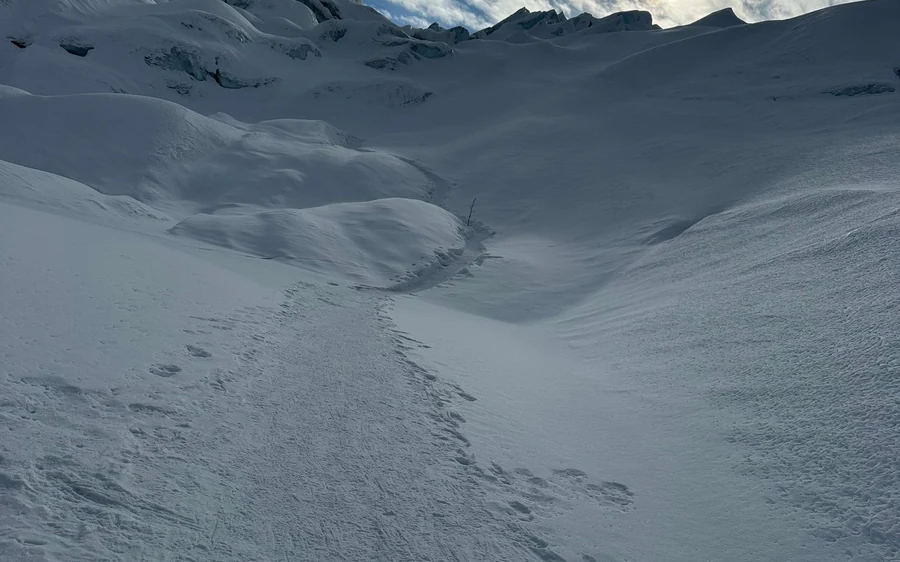
★ 5.0 · 16 reviews
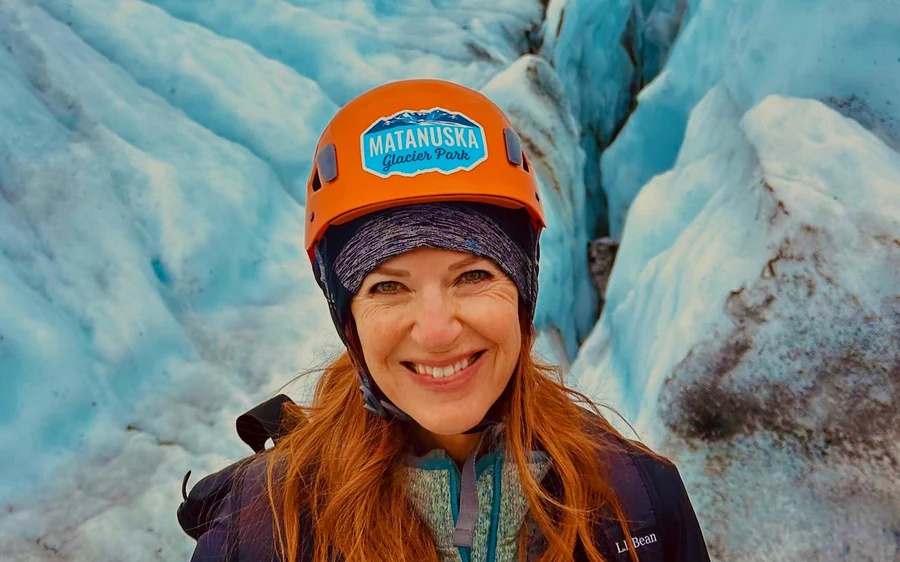
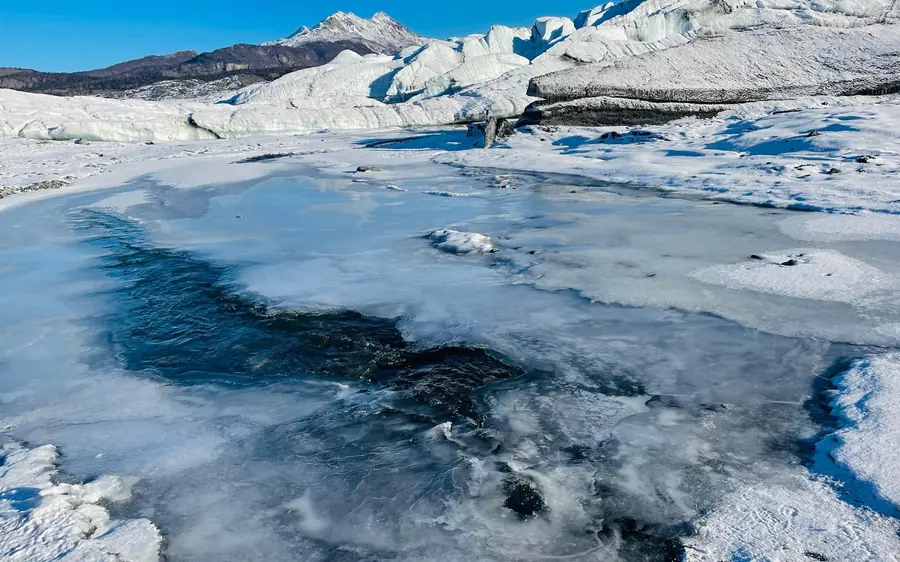
★ 4.7 · 21 reviews
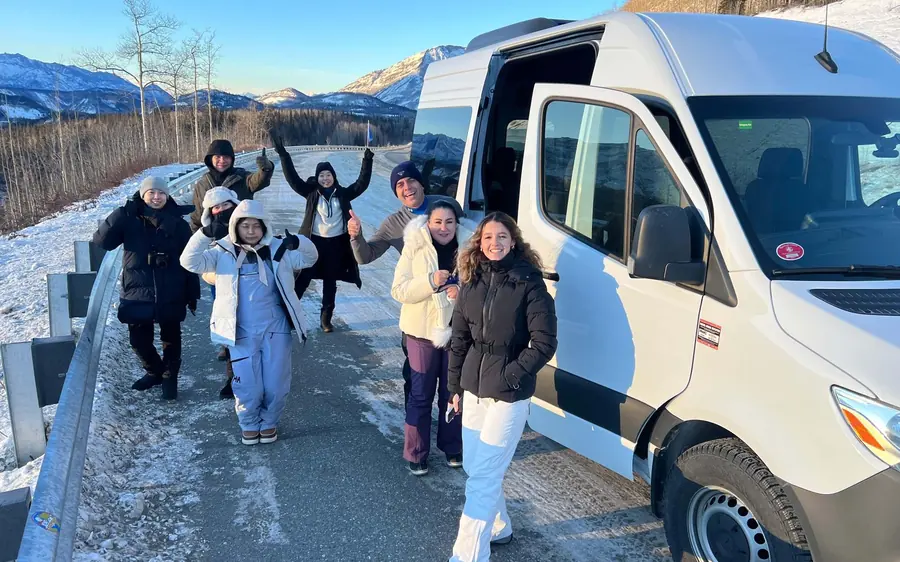
★ 5.0 · 2 reviews
★ 4.8 · 101 reviews
★ 4.5 · 73 reviews
★ 4.6 · 27 reviews
Common questions
Sturdy, closed boots above the ankle with a firm sole, and three layers on top: a base layer, a warm mid layer and a windproof, water-resistant shell. Add a hat, gloves and sunglasses in every season. The ice cleats, helmet and poles are supplied by the tour.
Walking or hiking boots that cover the ankle and have a firm sole, because that is what an ice cleat straps onto. Trainers, canvas shoes and anything soft-soled do not hold a cleat well. Wear them in before the trip and keep a spare pair of socks in the vehicle.
No. Every guided tour onto the Matanuska ice supplies them as part of the glacier safety equipment, along with a helmet and poles. $369 and $315 name ice cleats directly in their inclusions.
Ice cleats or micro spikes, a helmet and poles on every ice listing, plus winter gear on the winter departures: $329 names gloves and snow pants, $354 lists all glacier equipment, and $399 includes professional safety gear with a safety orientation.
A small day pack with water, a couple of snacks, sunglasses, sunscreen, a hat and gloves, and a camera you can hold with gloves on. Leave a spare warm layer and dry socks in the vehicle for the drive back to Anchorage.
The same three-layer system, weighted differently. In summer: a light base layer, a fleece and a windproof shell. In winter: a thermal base, an insulated mid layer and a shell, with the snow pants and winter gear supplied by the operator over the top.
Go deeper
Ten guided days compared by time on the ice, transport and price.
The hikeWhat the hike covers, how far you walk and what the cleats are for.
Guided or notWhy the ice is reached with a guide, and what the ticket includes.
From AnchorageThe Glenn Highway day, how long it runs and which tours drive you.
WinterWhat changes on the ice between November and April.
Matanuska Glacier Full-Day Tour
★ 4.8 · 111 reviews · Free cancellation 24 h